KEY TAKEAWAYS
- China’s K-shaped growth pattern shows signs of becoming entrenched, with the new economy and the supply side leading but the old economy and demand lagging
- It will take major catalysts to change this situation, and we don’t expect to see such developments, at least not in 2026
- We maintain our base case for a growth target “around 5%,” some RMB 1 trillion in incremental fiscal funds, 20 basis points (bps) in rate cuts and 50 bps in RRR cuts
A new Citi Research report from a team led by Chief China Economist Xiangrong Yu explores the 2026 economic outlook for China. While 2025 saw a markedly positive shift in investors’ views of China, most of the good news happened in the new economy and on the supply side; elsewhere, the property downturn continued if not deepened, and consumer sentiment remained near pandemic lows.
This K-shaped growth pattern has driven an apparent macro-micro disconnect, with the upward leg lifting stock markets and supporting headline gross domestic product (GDP) growth, while the downward leg has kept household confidence subdued. We see the K-shaped economy as likely to have become entrenched and self-reinforcing, with efforts needed to meet China’s GDP target most likely falling short of a breakthrough.
Looking at the supply and demand numbers, industrial production is now 11.5% higher than 2023 levels, while domestic demand remains sluggish. External demand has filled the gap, with high-tech exports expanding, net exports’ contribution to growth at 1.4 percentage points (pp), and the trade surplus close to $1.2 trillion.
In the equity markets, AI-related sectors rallied, while old economy names such as Baijiu, property and coal underperformed. The new economy seems to be taking up the slack in terms of GDP growth.
Meanwhile, consumer confidence remains subdued, as has been the case since 2022. The household savings rate remains elevated, with only small signs that deposits are being reallocated into risk assets. The macro narratives really haven’t reversed the micro sentiment.
We think it will take major catalysts to change this situation, and we don’t think it’s likely we’ll see them, at least not in 2026. The 15th Five-Year Plan is doubling down on “new productive forces,” and external demand and the new economy are supporting headline growth and helping China achieve its growth target. That means less urgency to adjust domestic policy, and neither exports nor the new economy can generate sufficiently wide-ranging gains to offset the property downturn and benefit the entire economy. Therefore, the macro-micro disconnect continues to deepen.
For trade, competitiveness vs. protectionism
We see the export outlook as likely shaped by external demand, China’s competitiveness, and trade policies. We expect export growth to slow to around 3.0% in 2026 from 5.1% in 2025, but note the previous year’s figure represents a high base.
We expect a moderation of ex-China nominal GDP growth to 4.7% in 2026 from 6.4% in 2025, which will likely weigh on China’s headline exports. But we think Chinese manufacturers should be able to defend or even gain global market share, helped by not only lower relative pricing but also quality upgrading: Chinese export baskets appear to be converging toward those of the EU and Japan, even as relative prices have declined. China’s progress in technology and product complexity is further strengthening competitiveness. Despite “reshoring” narratives and dispersed production footprints, other locations often lack China’s end-to-end supplier depth, sustaining demand for China’s capital and intermediate goods.
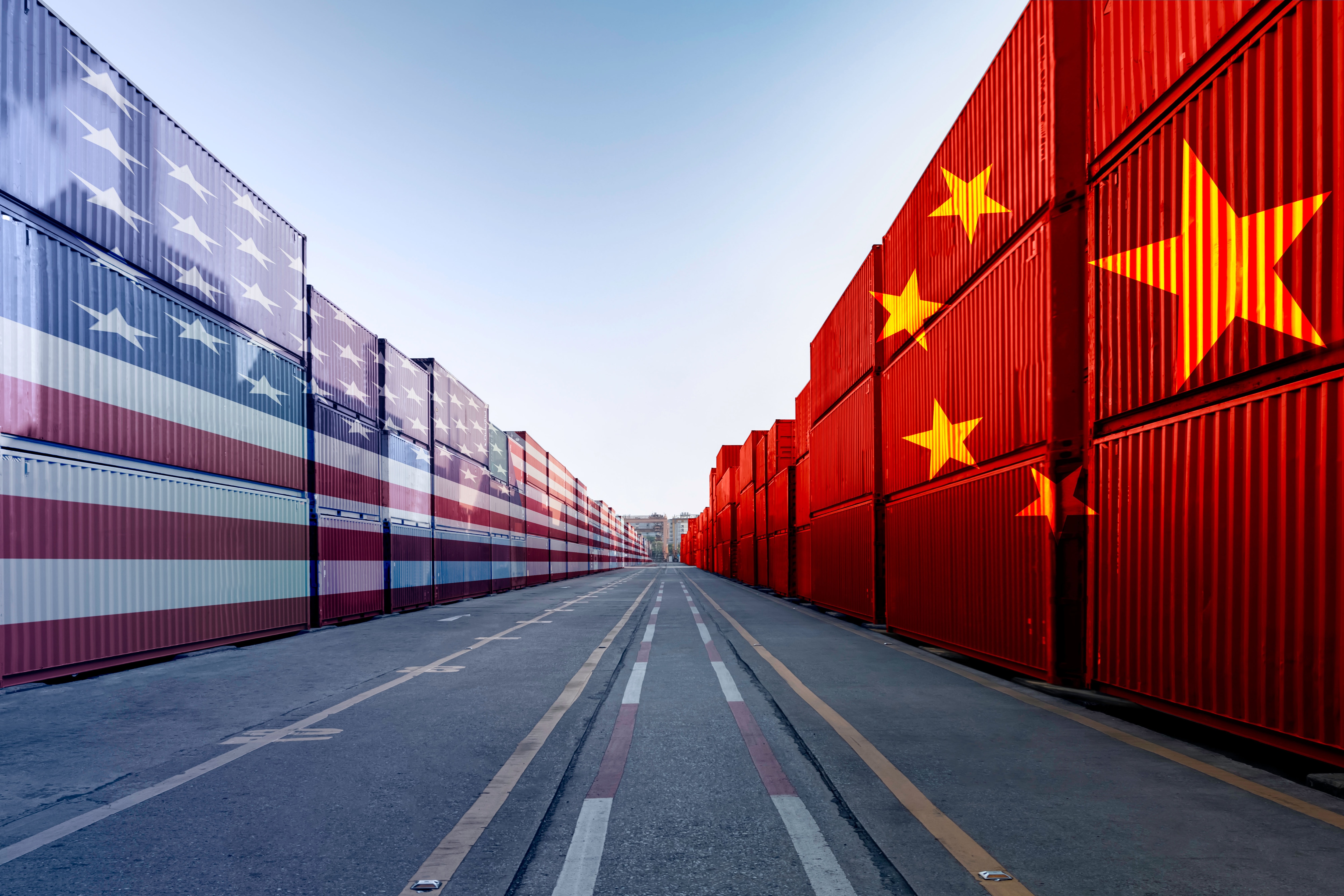
On trade, our base case is that the U.S.-China trade truce will be sustained through the year, with a de-escalation in trade tensions fostering a natural recovery of China’s direct exports to the U.S., which dropped 26% year over year from April through November.
Notes on policy, consumption and investment
In the absence of external catalysts, we expect policy continuity in 2026. We maintain our base case of a growth target “around 5%,” some RMB 1 trillion in incremental fiscal funds, 20 bps in rate cuts and 50 bps in RRR cuts. Risks could be skewed to the downside, with such a policy package striking us as a ceiling, not a floor.
Downside risks could prove particularly the case for fiscal policies: We see a high probability that the Ministry of Finance could set up revenue collection and phase out more concession policies in the coming year.
Turning to consumption, we’re keeping our expectations realistic about de facto consumption rebalancing, though we could see small steps in 2026. We expect consumption’s contribution to growth to edge up in 2026, reaching 2.8 pp compared with 2.7 pp in 2025. Services could take a larger share.
On investment, we forecast fixed asset investment to turn positive at 2.0% in 2026, with the Central Economic Work Conference having pledged to “stop the decline and foster a rebound of investment.” But this rebound could remain very divergent, with the new economy leading and the old economy lagging.
We think artificial intelligence (AI) could be a secular theme in 2026, as has been the case in the U.S. We expect continuing public and private efforts on AI capital expenditures and related investment. Infrastructure, meanwhile, remains a counter-cyclical tool for policymakers to keep growth on track. But the property downturn looks likely to drag on unless we see massive housing stimulus amid weak sentiment. We estimate housing investment may continue to contract at 13% in 2026, with supply curbs remaining as a measure to rebalance the sector.
Our new report, China Economics: 2026 Outlook — Mind the Gap, also considers what may lie ahead for deflation and the exchange rate. It’s available in full to existing Citi Research clients here.